
What to Know Before Attending the National Puerto Rican Day Parade
Plan for the National Puerto Rican Day Parade by checking official route information, transit changes, accessibility, weather, and respectful ways to participate.
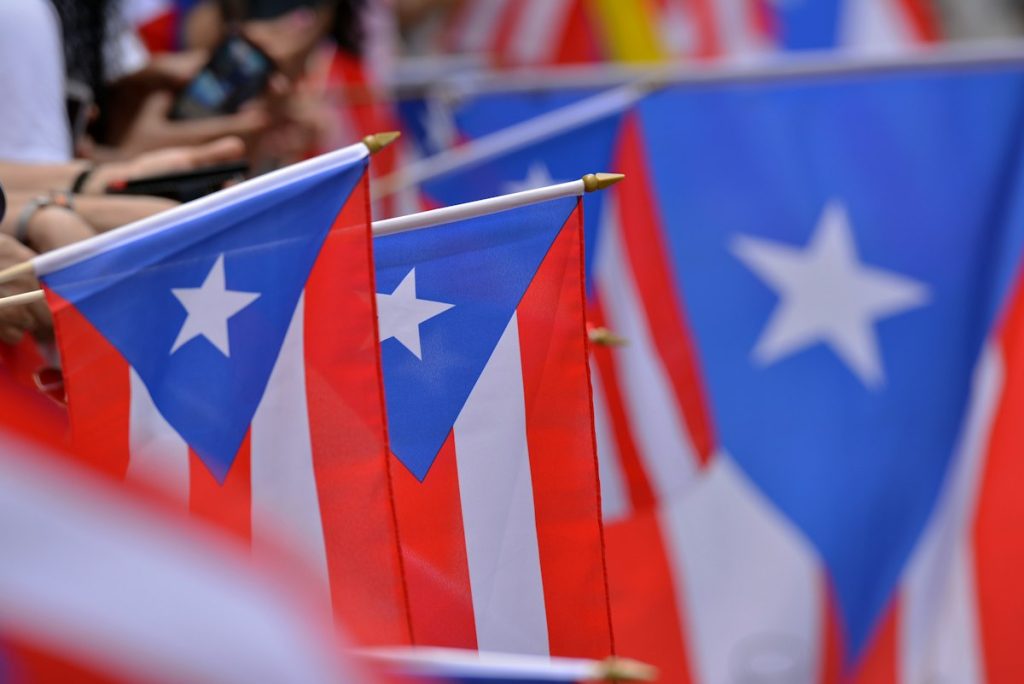
Plan for the National Puerto Rican Day Parade by checking official route information, transit changes, accessibility, weather, and respectful ways to participate.
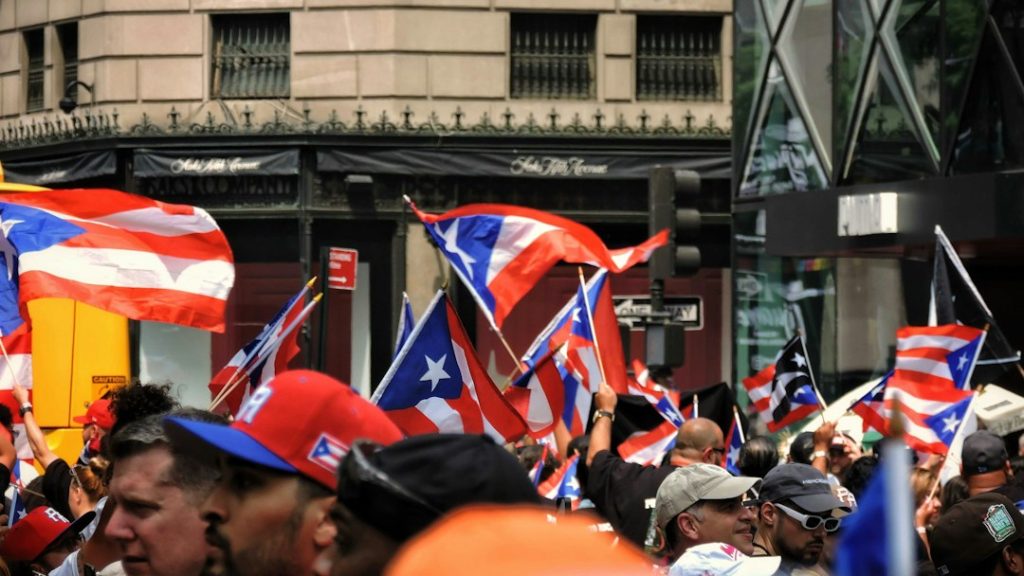
Family photographs, oral histories, and local collections help preserve the experiences and cultural memory of Puerto Rican communities across New York City.
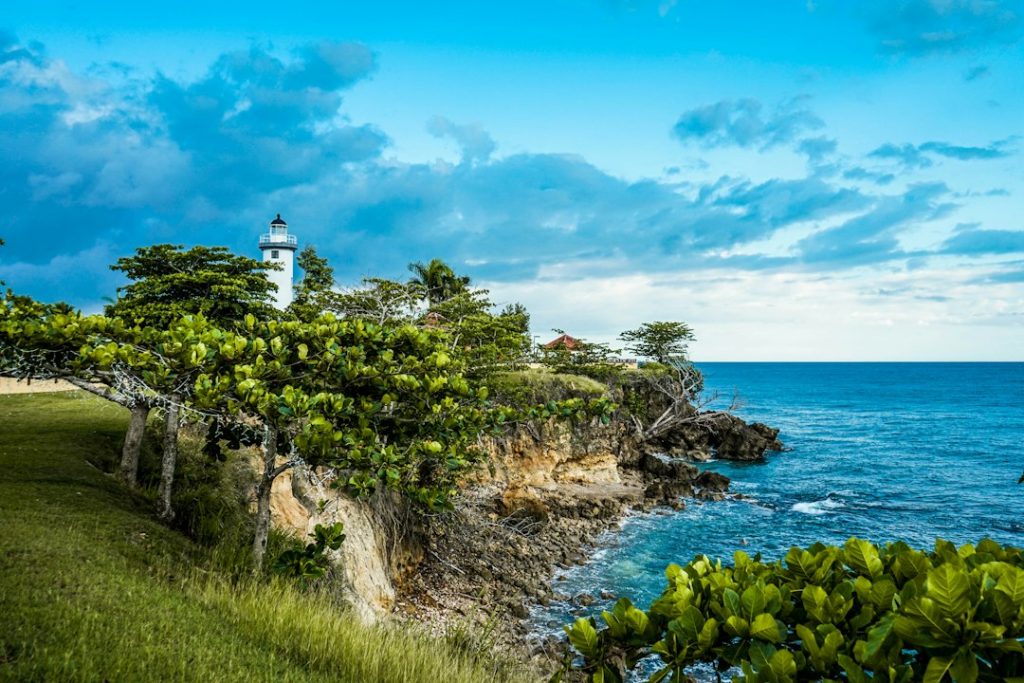
The Atlantic hurricane season runs through November 30. Residents and visitors can use a short readiness review to prepare for changing forecasts, heavy rain, and travel disruptions.
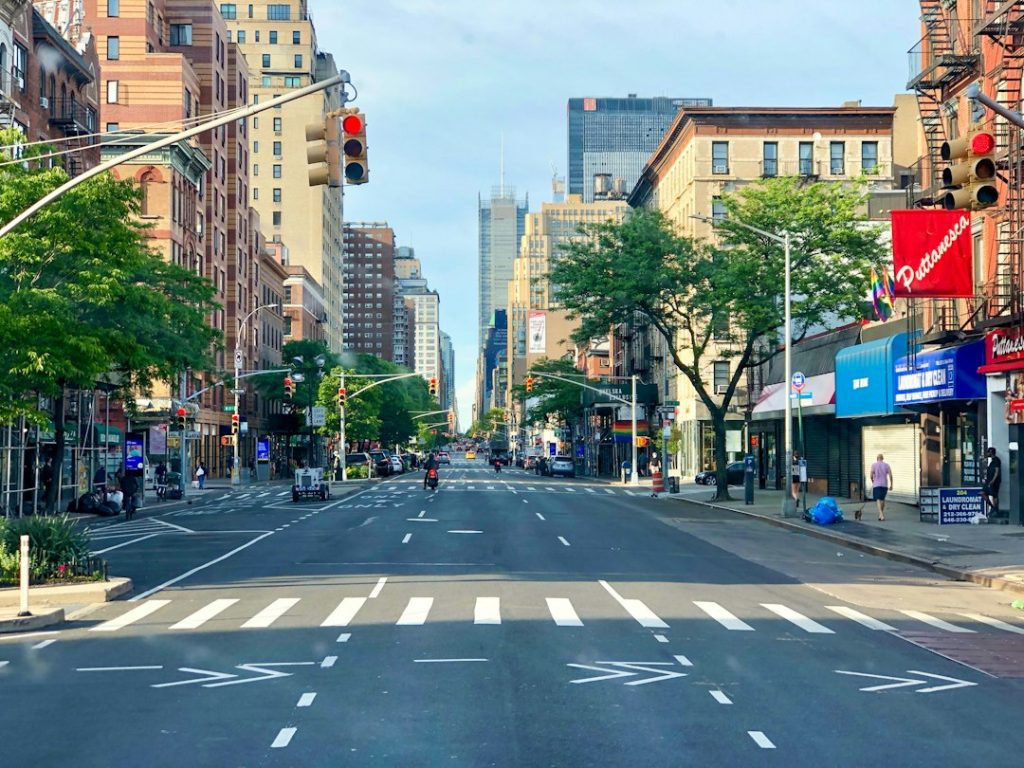
New York’s 2026 Trick-or-Streets program includes free fall and Halloween activities across the five boroughs. Here are key dates, planning tips, and the official places to confirm last-minute changes.
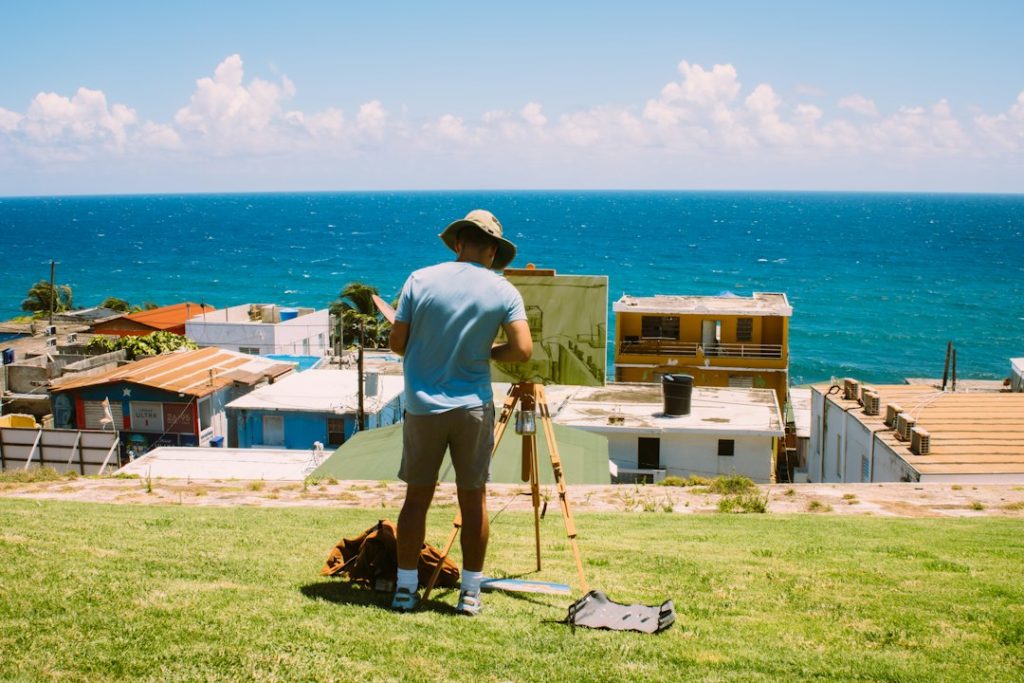
The jíbaro image is often used to represent Puerto Rican rural life, but its meaning has shifted across music, literature, politics, and diaspora identity. Understanding the symbol requires more than treating it as a costume.
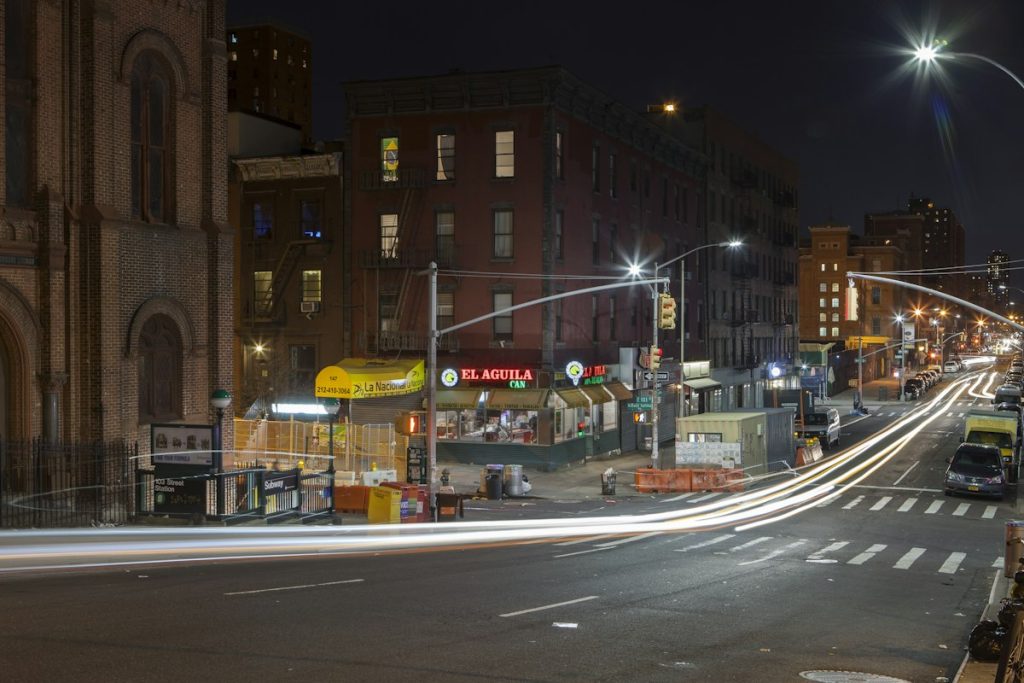
Plan a flexible heritage day in New York by combining neighborhood observation, cultural institutions, public art, local businesses, and time to listen.
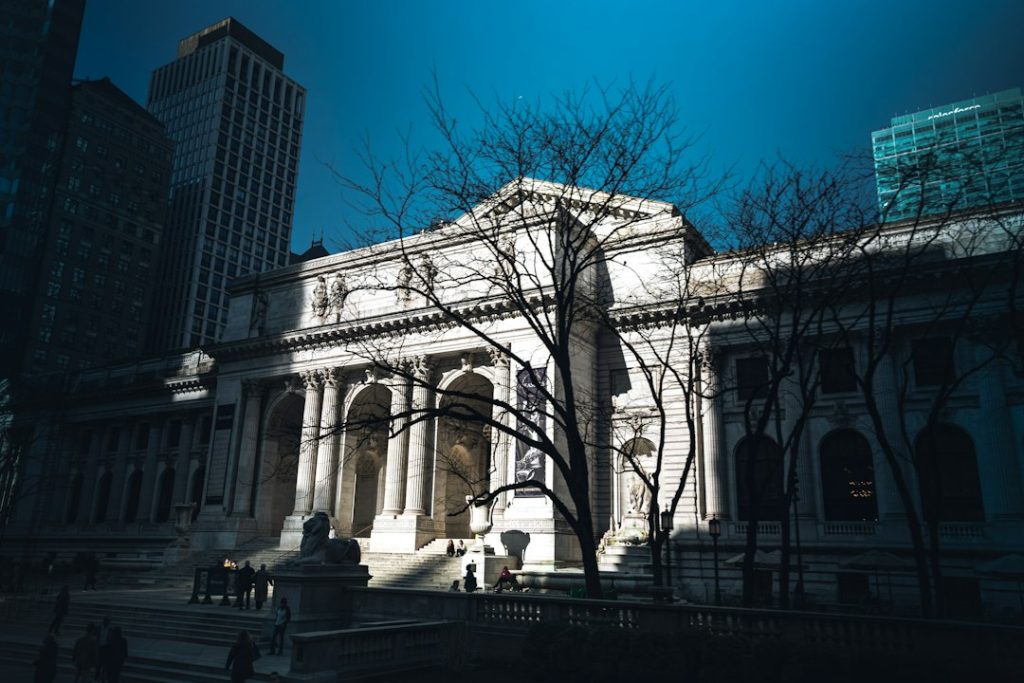
The Museum of the City of New York’s exhibition The Occupied City runs through March 21, 2027, placing New York’s Revolutionary-era choices and conflicts in a broader civic story.
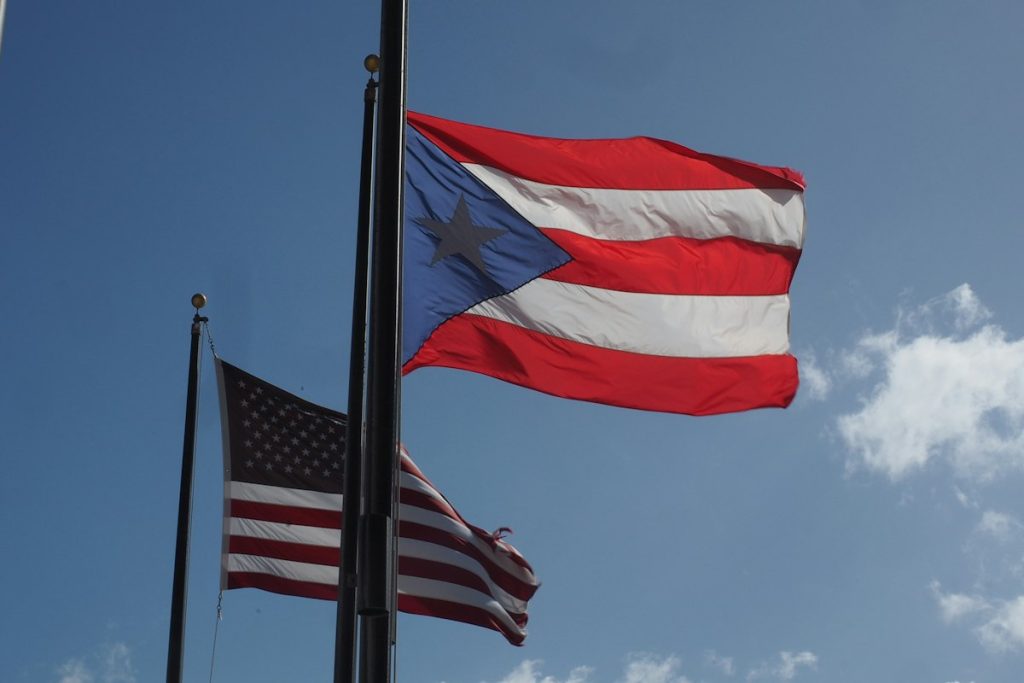
The Puerto Rican flag can express pride, family memory, and belonging, but its meaning is also shaped by history and personal experience.
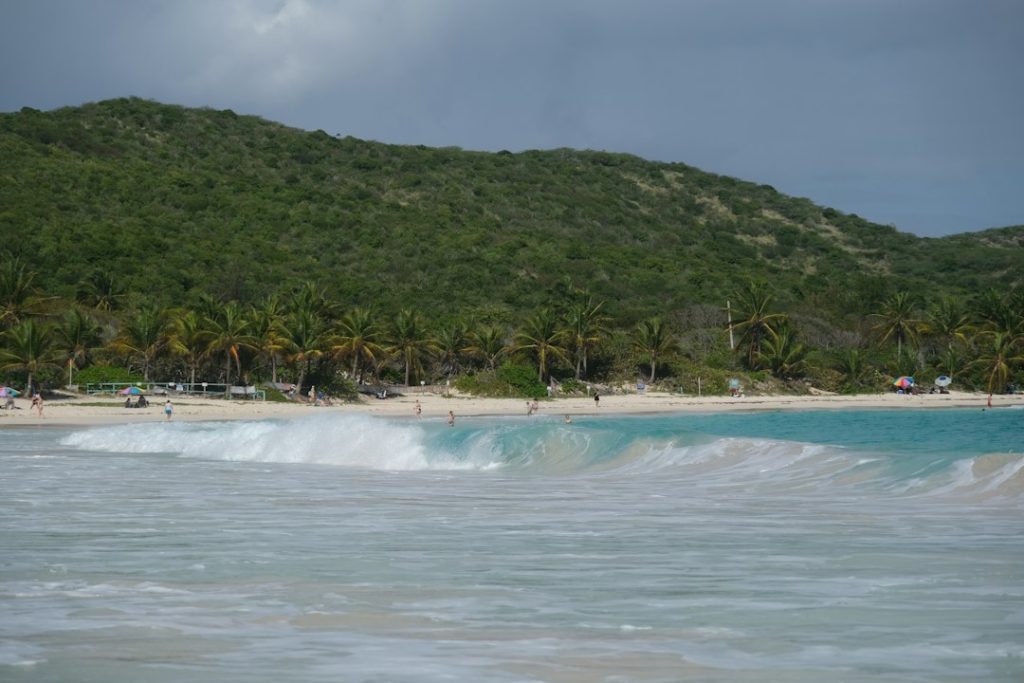
A sunny forecast does not guarantee safe water. This practical guide explains where to check local beach hazards, how to interpret rip-current warnings, and when to choose another activity.
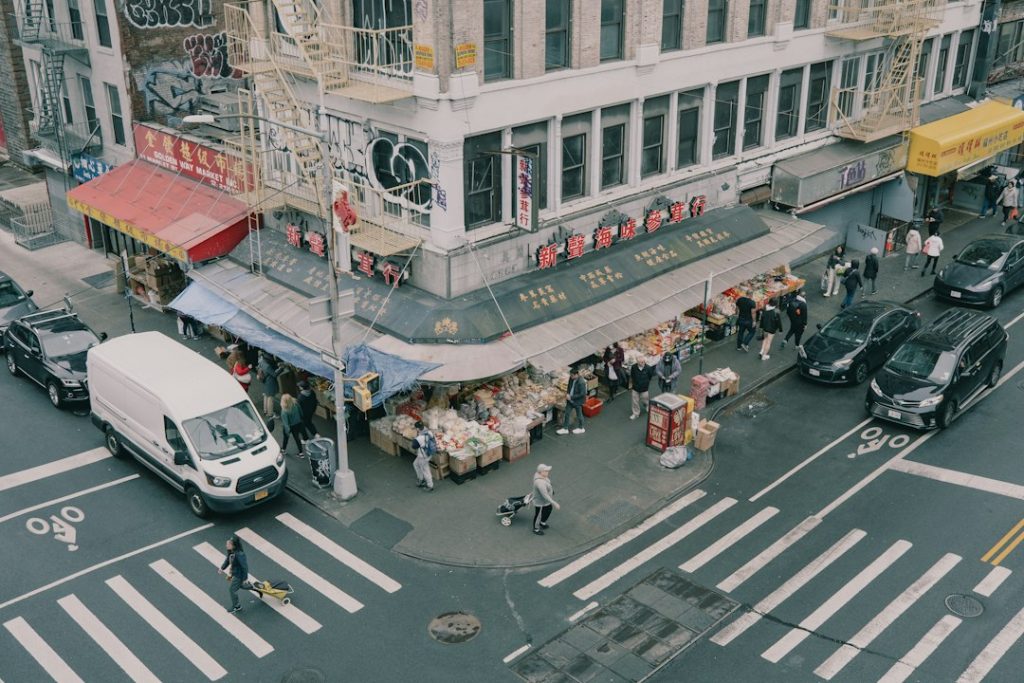
New York’s 2026 Trick-or-Streets program is bringing fall activities to 160 open-street locations. The broader story is how neighborhood groups use shared public space to create connections beyond a single event.