
How Puerto Rican Culture Has Shaped New York City
Explore how Puerto Rican New Yorkers have shaped the city through migration, community institutions, music, food, festivals, and cultural identity.
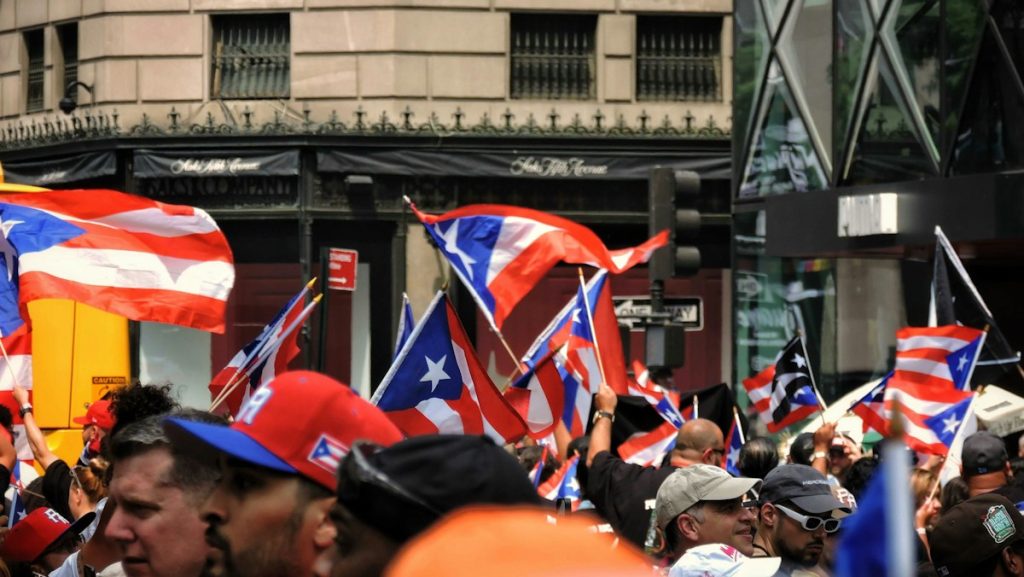
Explore how Puerto Rican New Yorkers have shaped the city through migration, community institutions, music, food, festivals, and cultural identity.
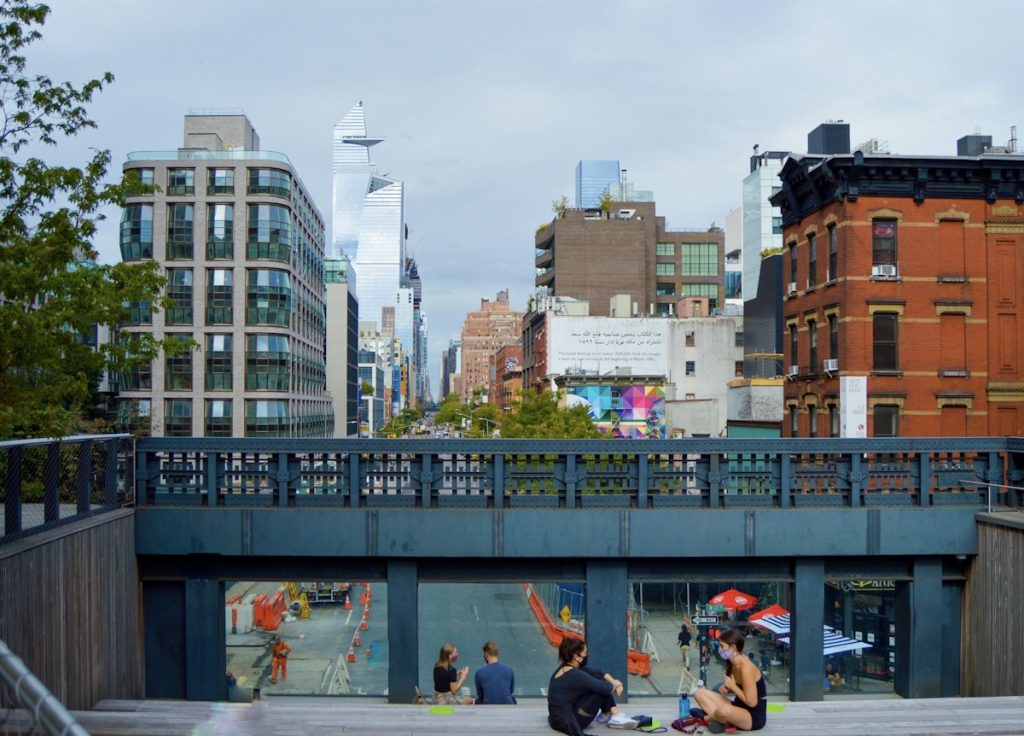
Puerto Rican heritage is carried through language, food, music, family memory, migration, and public life. It is rooted in history, but it continues to change as people create new traditions and connect communities across the island and the diaspora.
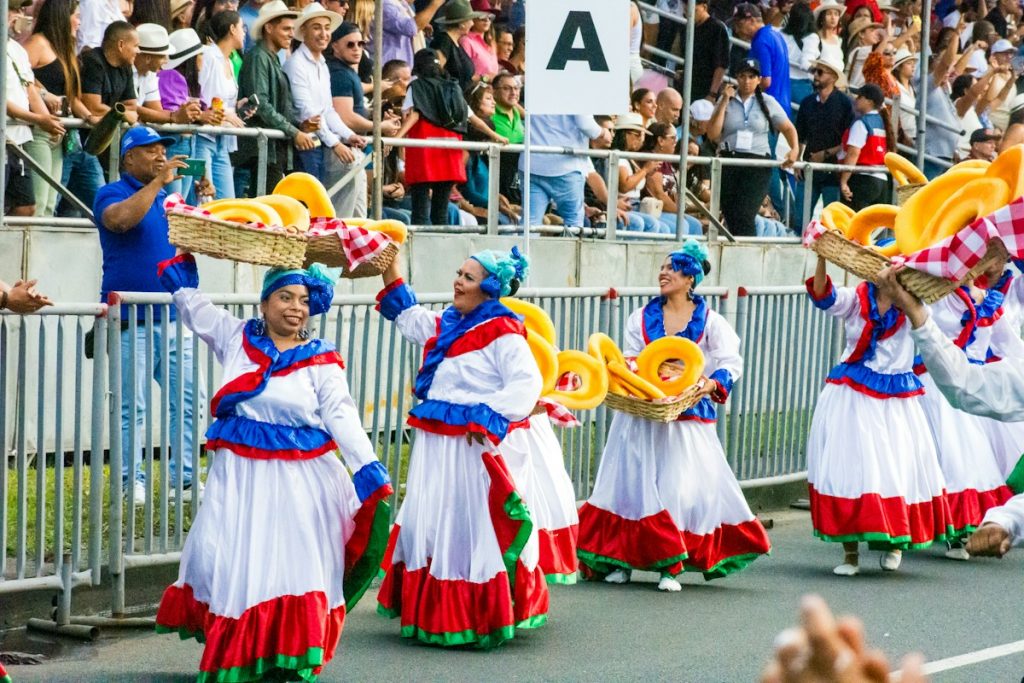
Cultural events can offer an inviting way to learn about music, food, art, and community history. Attending respectfully means checking practical details, listening to organizers, and recognizing the people whose work makes the event possible.
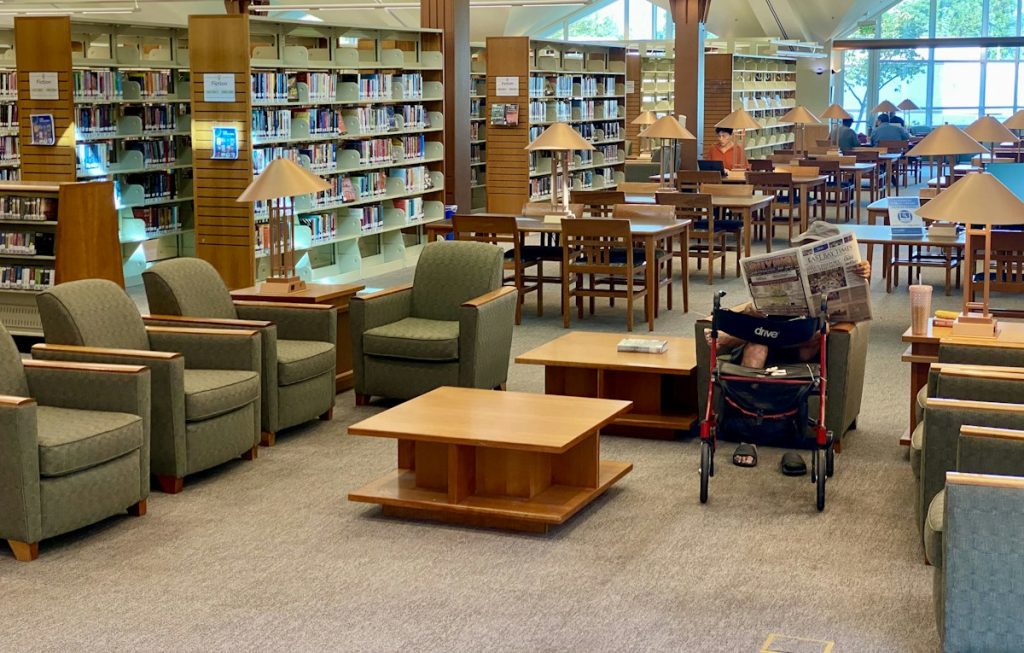
Public libraries can connect residents with books, archives, workshops, technology, and local information. Their role in neighborhood life extends beyond borrowing materials: they can help preserve community memory and create welcoming places to learn.
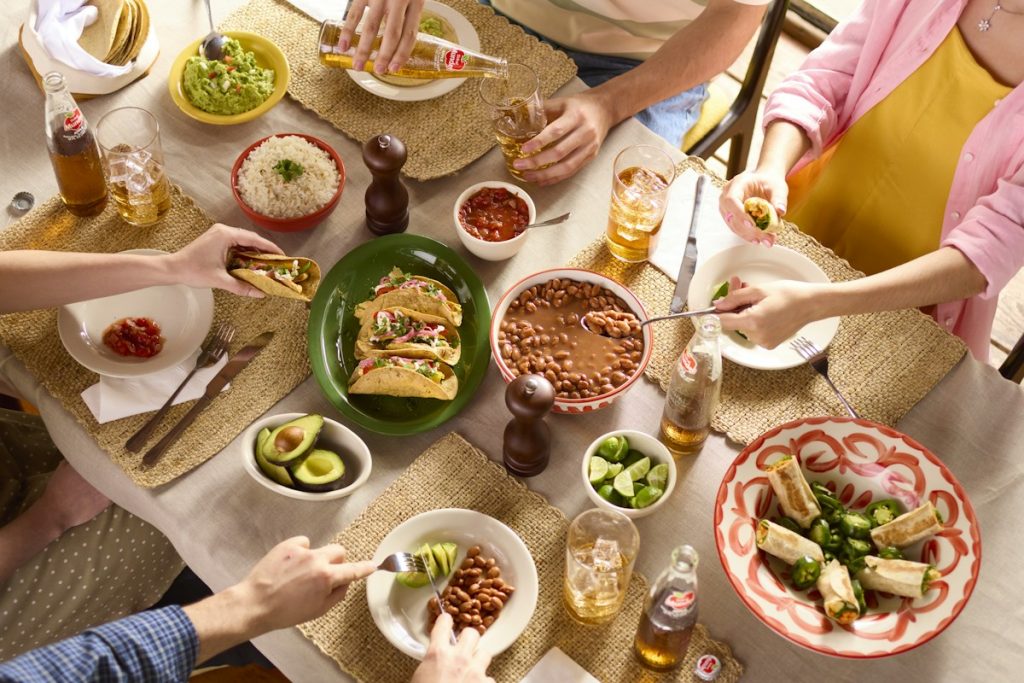
Puerto Rican cuisine is varied, shaped by regional ingredients, family practices, migration, and many historical influences. Exploring beyond familiar dishes can reveal the everyday knowledge and local stories that make food culture meaningful.
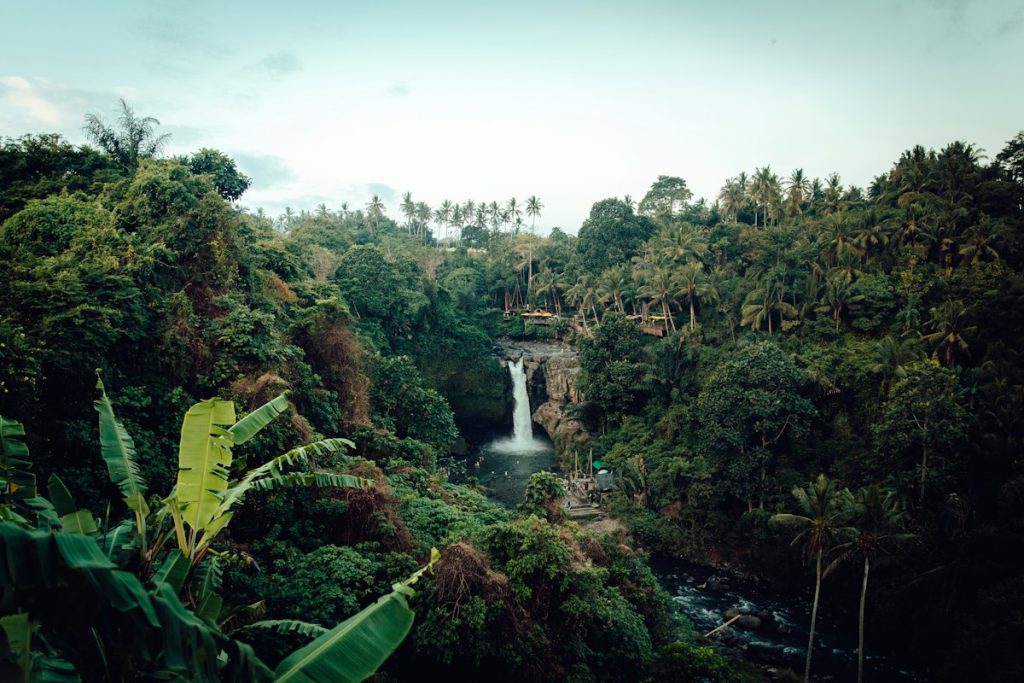
El Yunque is known for its tropical forest, trails, and rich natural environment. A successful visit depends on current access information, realistic planning, weather awareness, and respect for the forest’s ecological limits.
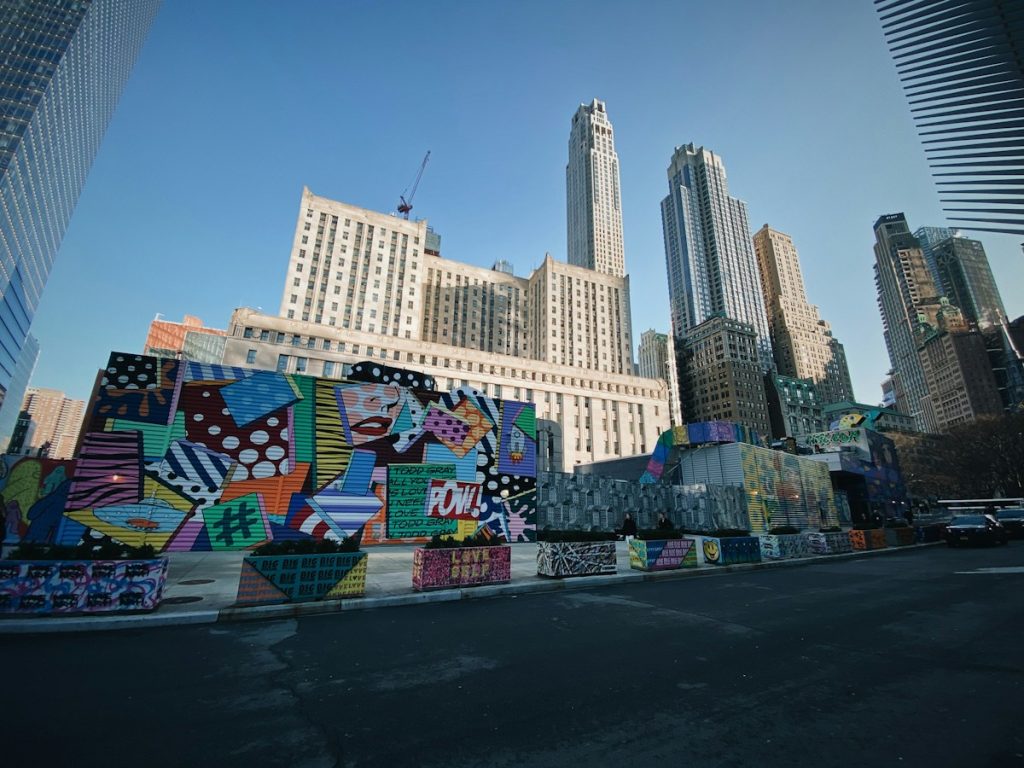
Puerto Rican history in New York can be explored through community institutions, public art, local businesses, archives, and stories shared across generations. A thoughtful walk connects places with the people and changes that shaped them.
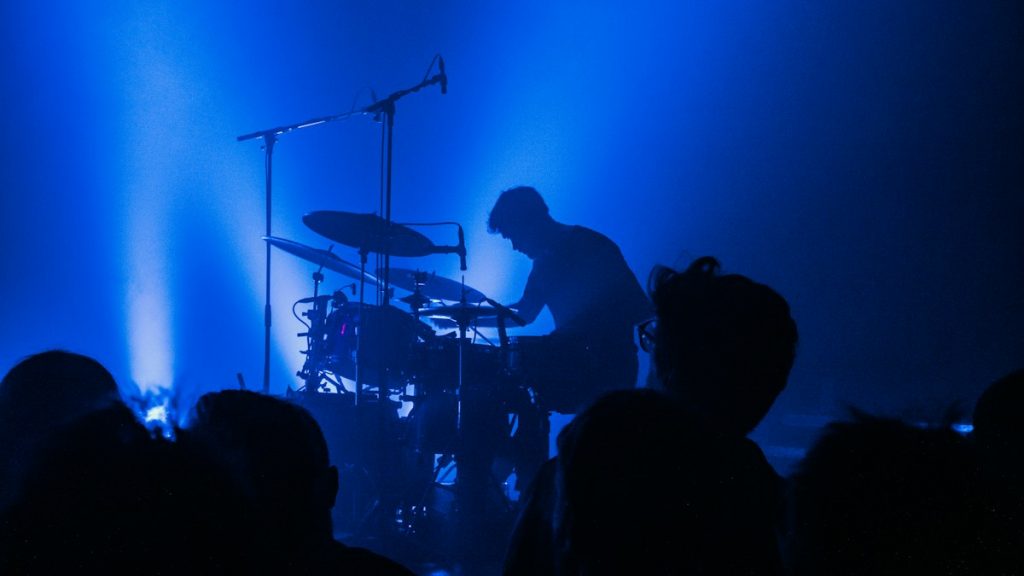
Bomba and plena are distinct Puerto Rican music traditions connected to community, movement, and cultural memory. Learning about their histories and performance settings helps listeners appreciate them as living practices rather than interchangeable labels for island music.
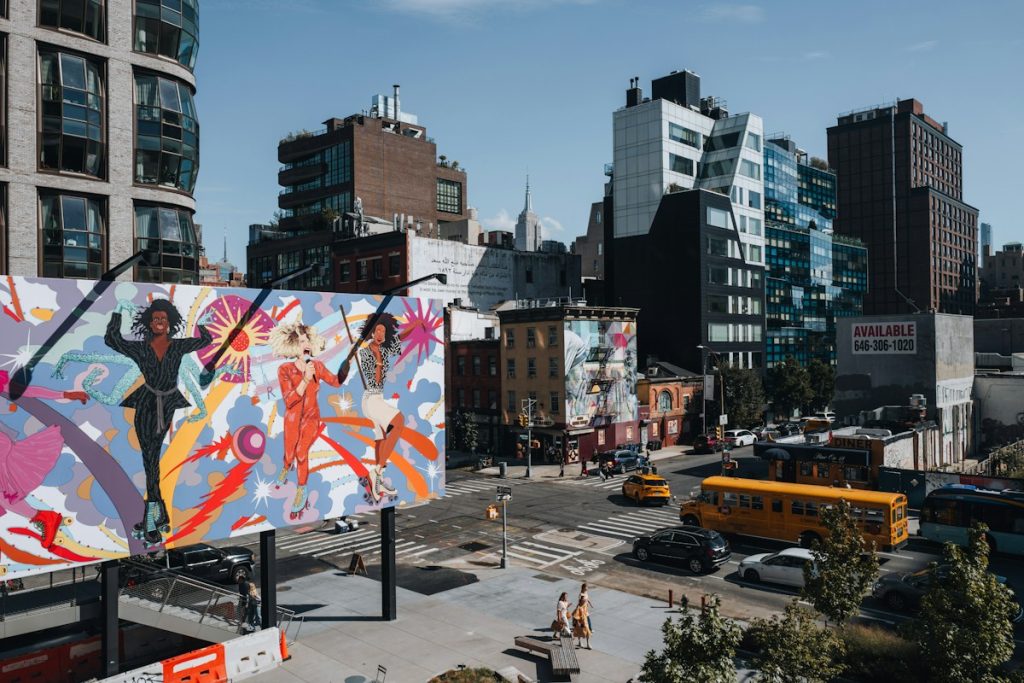
Murals and public artworks can reveal how communities express memory, identity, and local priorities. A thoughtful art walk looks beyond the image to learn who created the work, why it appeared in a particular place, and how residents relate to it.
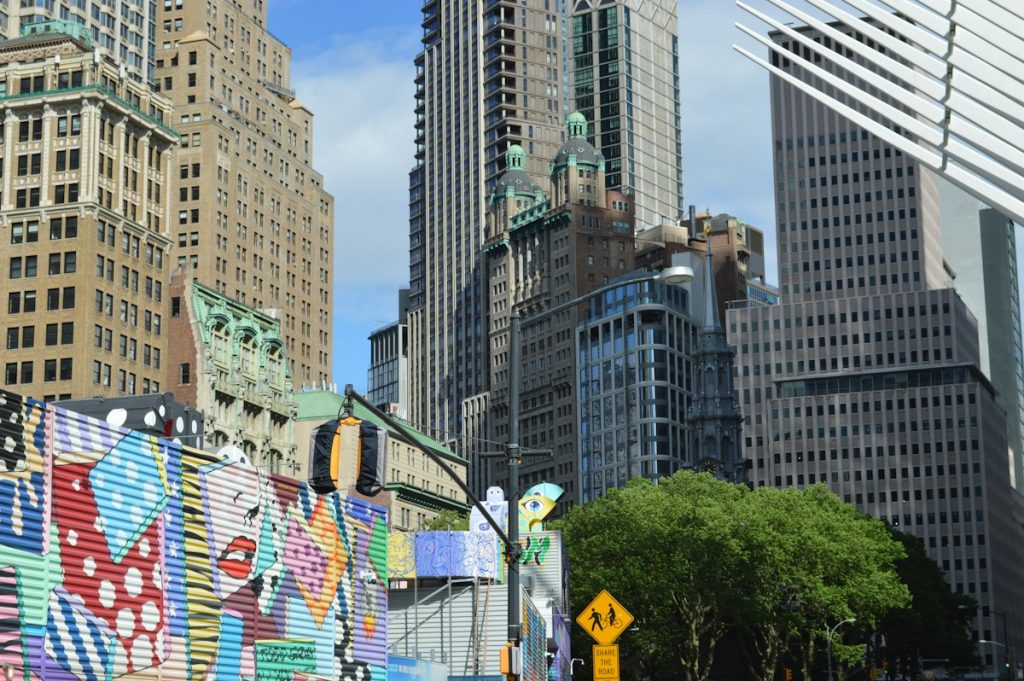
Community festivals can create a shared space for music, food, art, and conversation. Their value often lasts beyond a single day when local artists, businesses, organizations, and residents have a meaningful role in shaping the event.