
How Shared Meals Keep Puerto Rican Family Traditions Alive in New York
Cooking together can preserve family knowledge and cultural memory, even when relatives live far apart or recipes change with each generation.

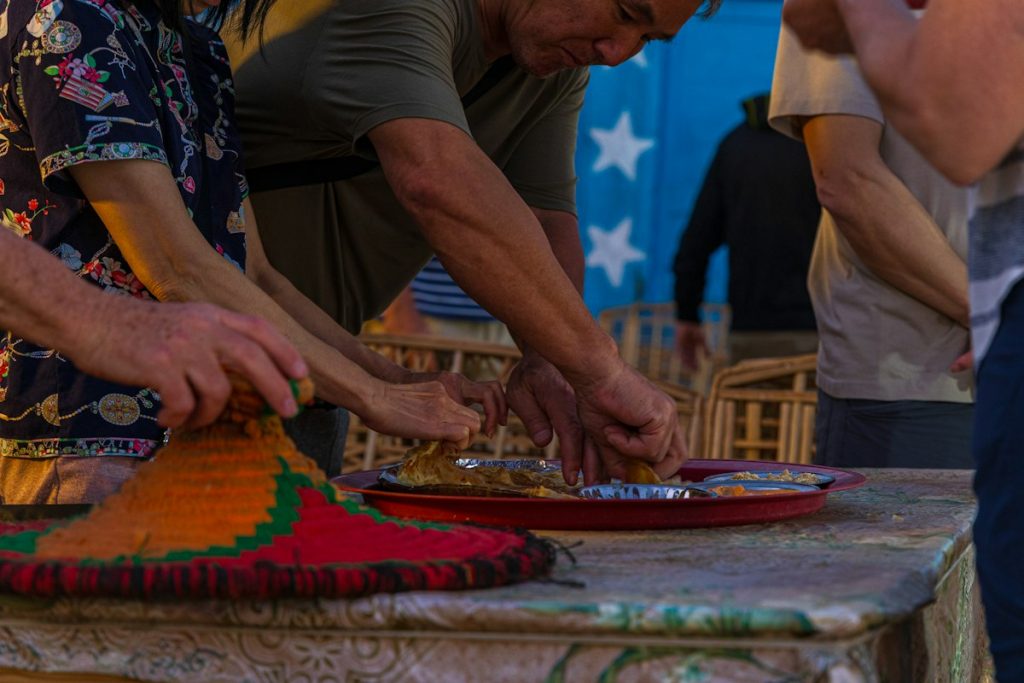
Cooking together can preserve family knowledge and cultural memory, even when relatives live far apart or recipes change with each generation.
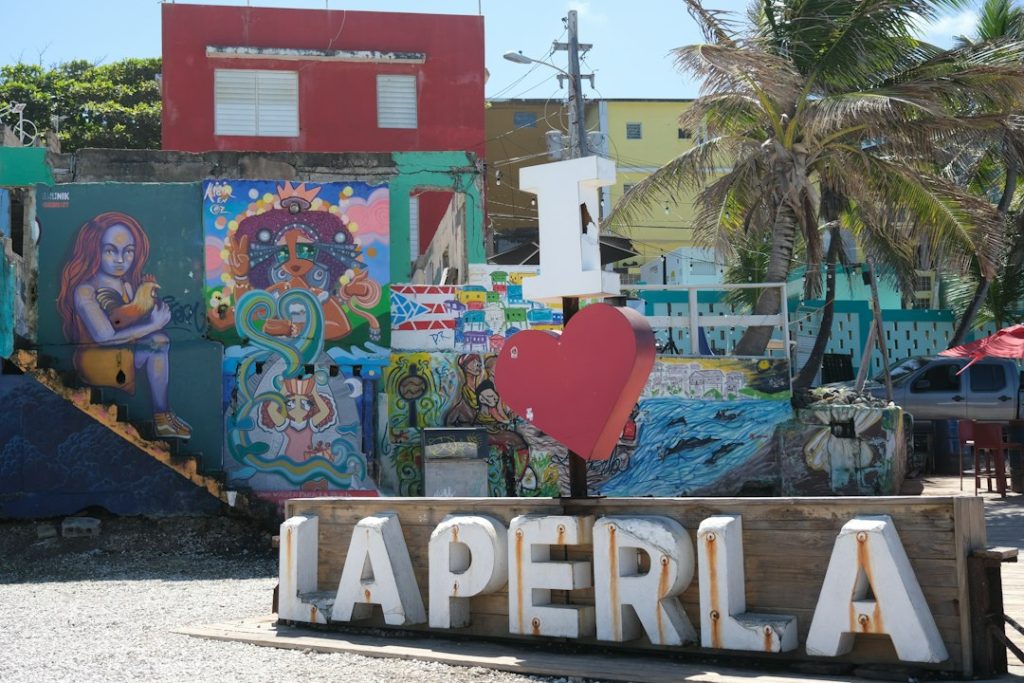
Art can connect visitors and diaspora audiences with Puerto Rican stories, but responsible support starts with learning about the maker, paying fairly, and avoiding assumptions about what counts as authentic.
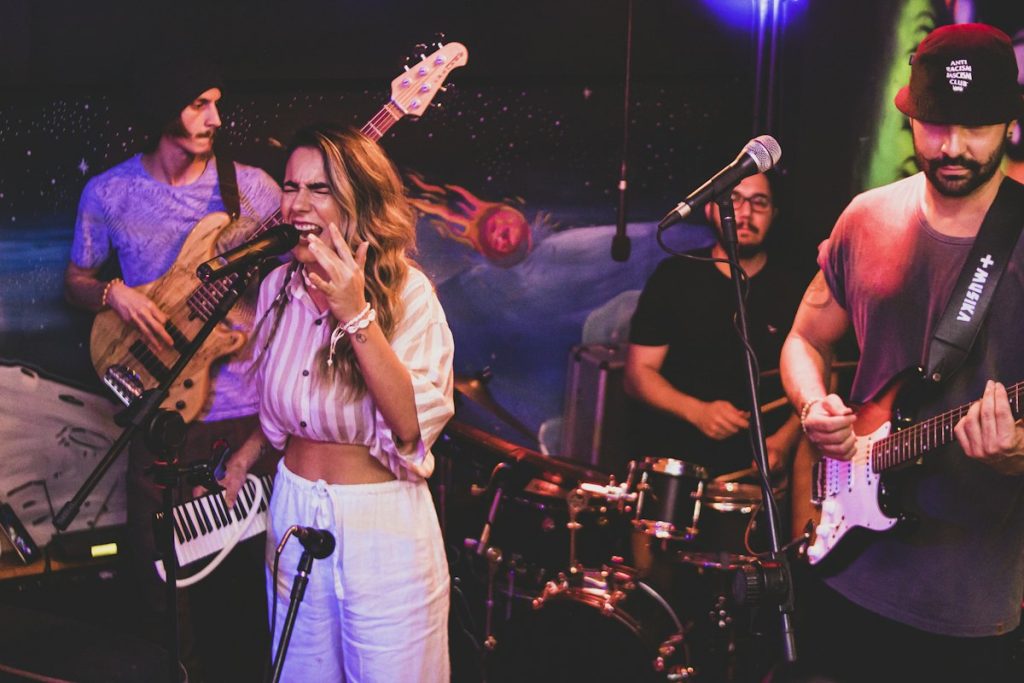
Puerto Rican music in New York is more than a soundtrack: it carries family memories, neighborhood histories, and cultural knowledge across generations.
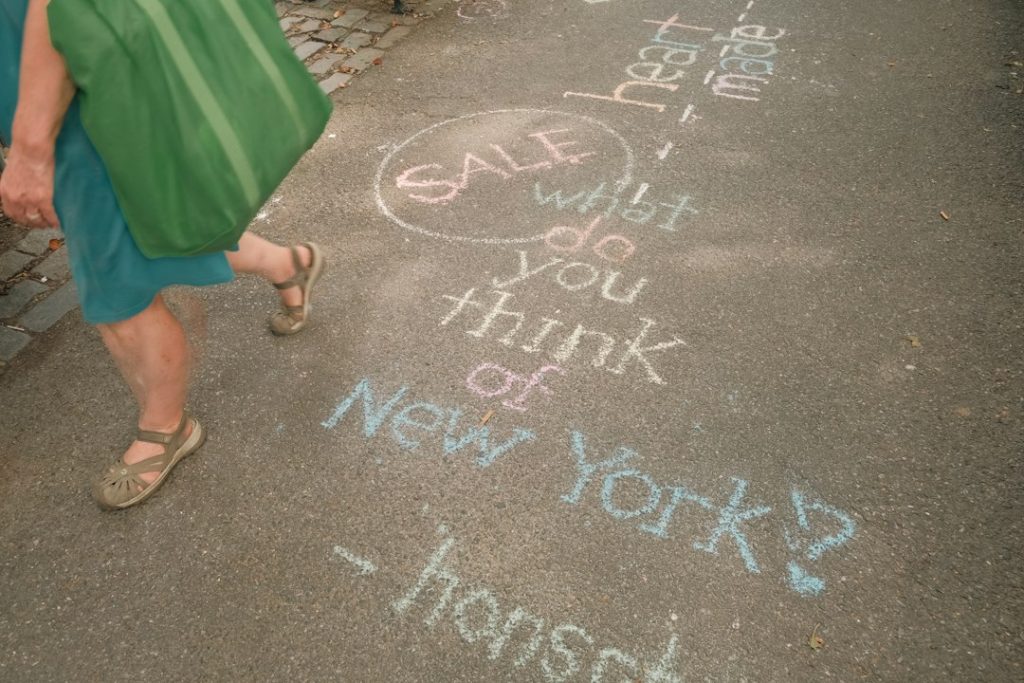
Community boards give New Yorkers a local forum on land use, city services, and neighborhood concerns. Here is how to find your board, prepare for a meeting, and make a useful public comment.
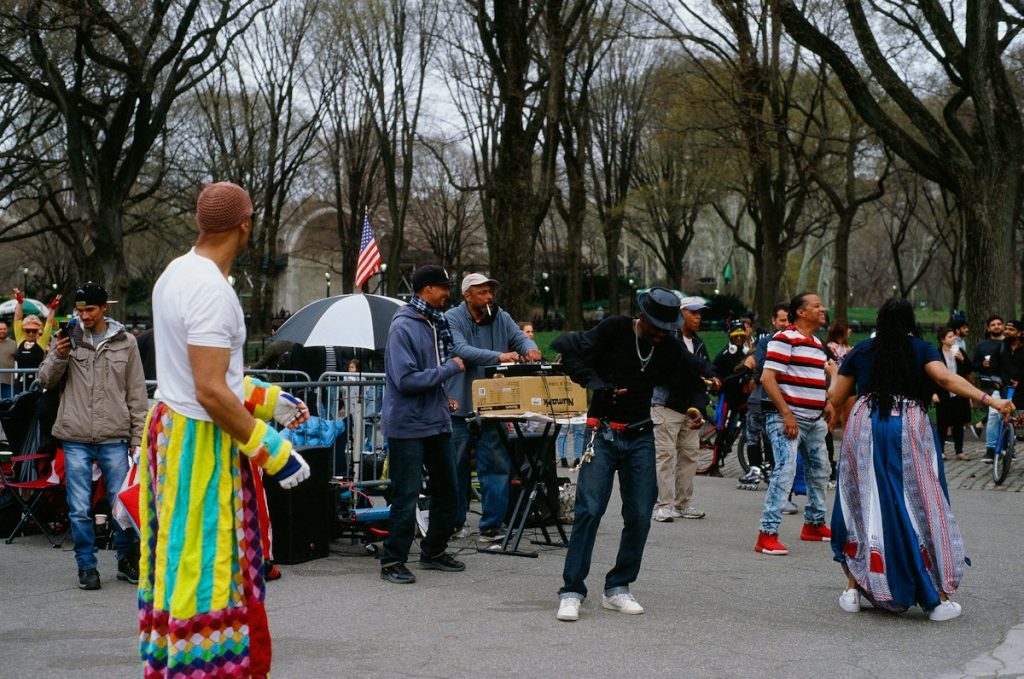
A practical way to discover Puerto Rican cultural events in New York is to check organizers directly, confirm details, and look beyond one annual celebration.
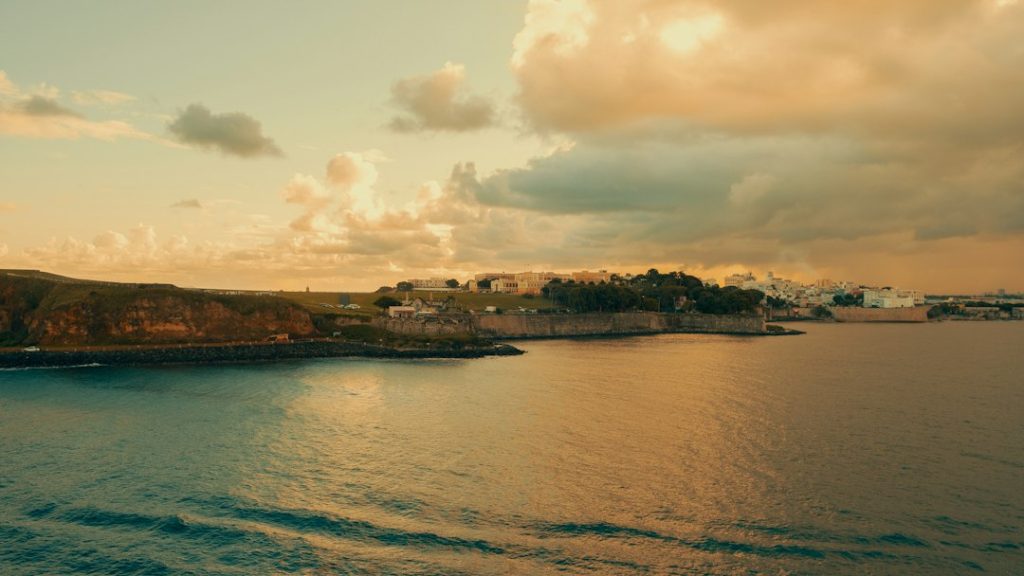
Puerto Rico’s tourism company groups municipalities into regional areas with distinct landscapes and experiences. Using those regions as a planning tool can make a visit less rushed and more locally grounded.
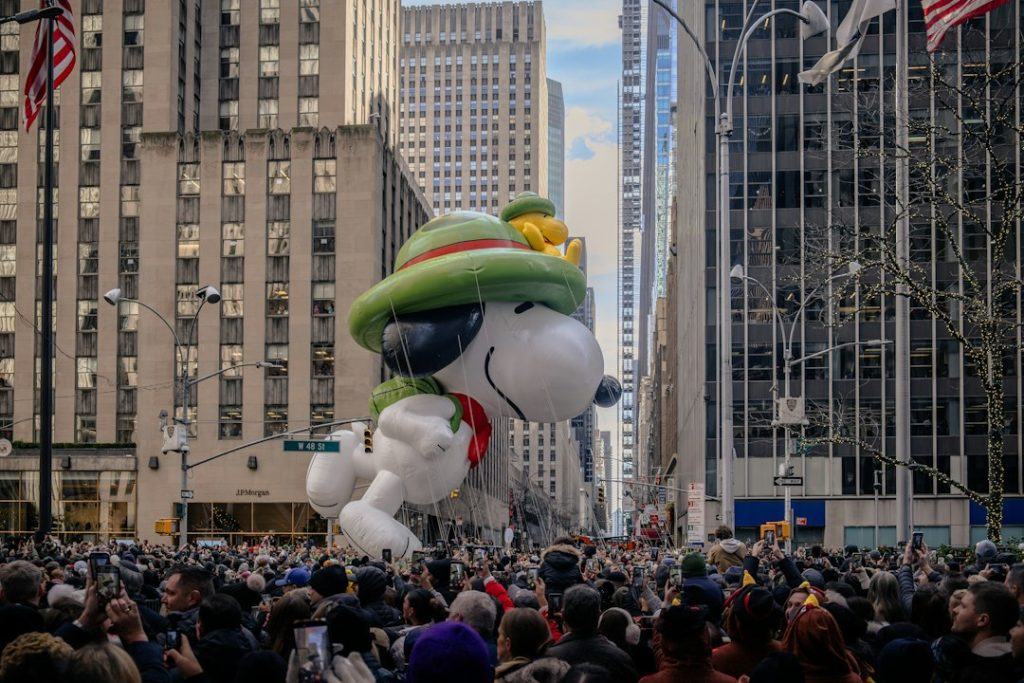
The Macy’s Thanksgiving Day Parade returns on November 26, 2026, for its 100th edition. Visitors should verify the official route and transit notices, plan for crowds, and leave time for changing conditions.
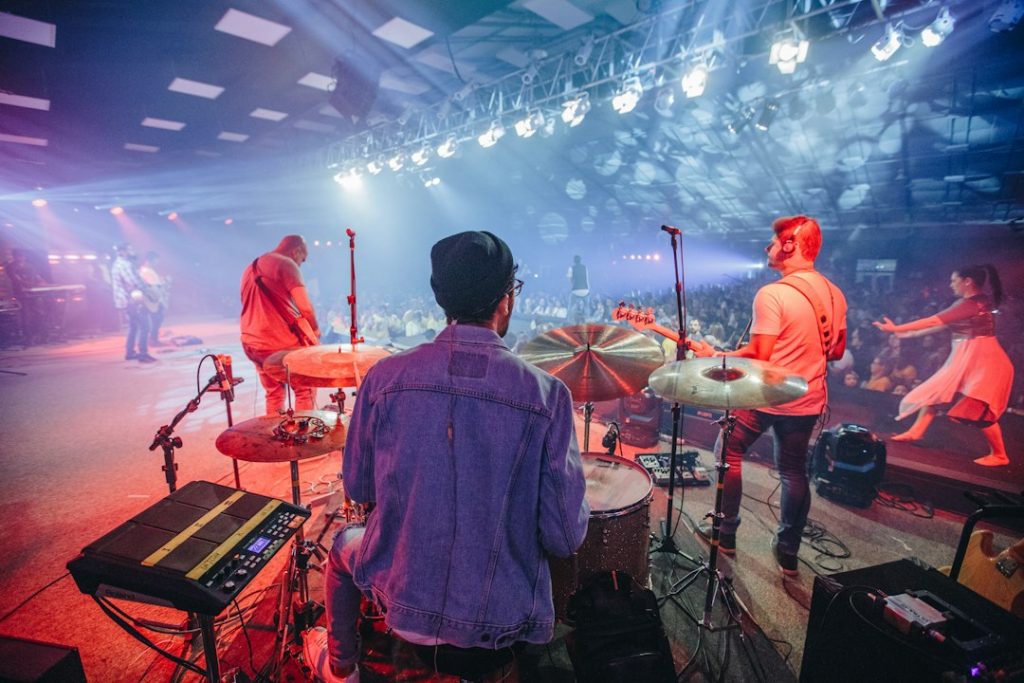
Salsa cannot be reduced to a single birthplace. Musicians, audiences, record labels, migration, and Caribbean rhythms connected Puerto Rico and New York in a musical exchange that continues to evolve.
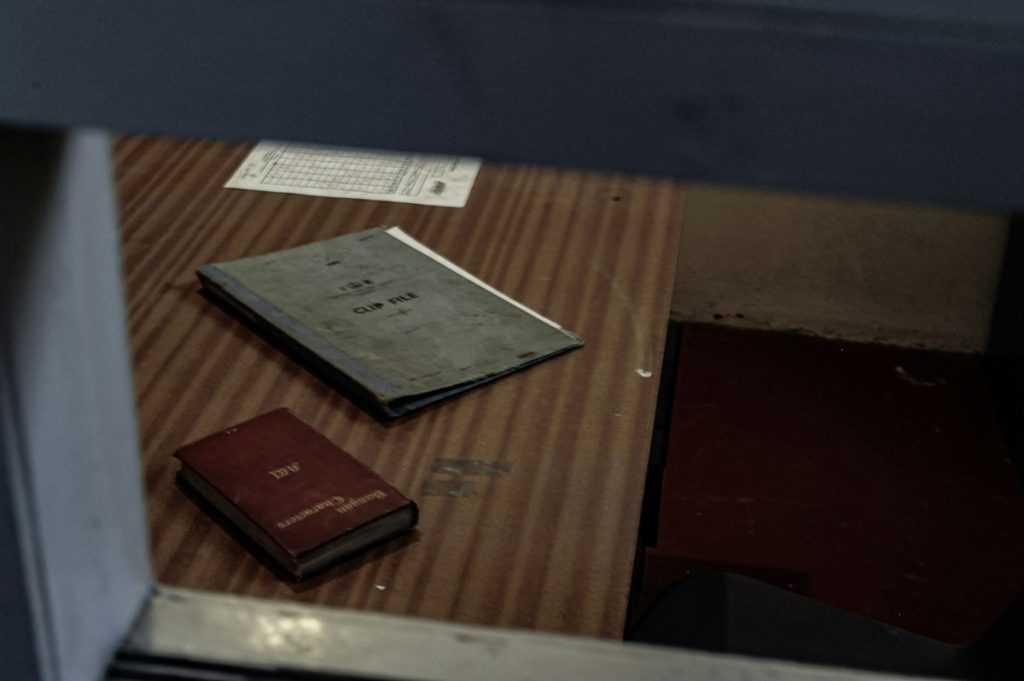
Combine family interviews with archives, photographs, and public records to build a more reliable picture of Puerto Rican family history.
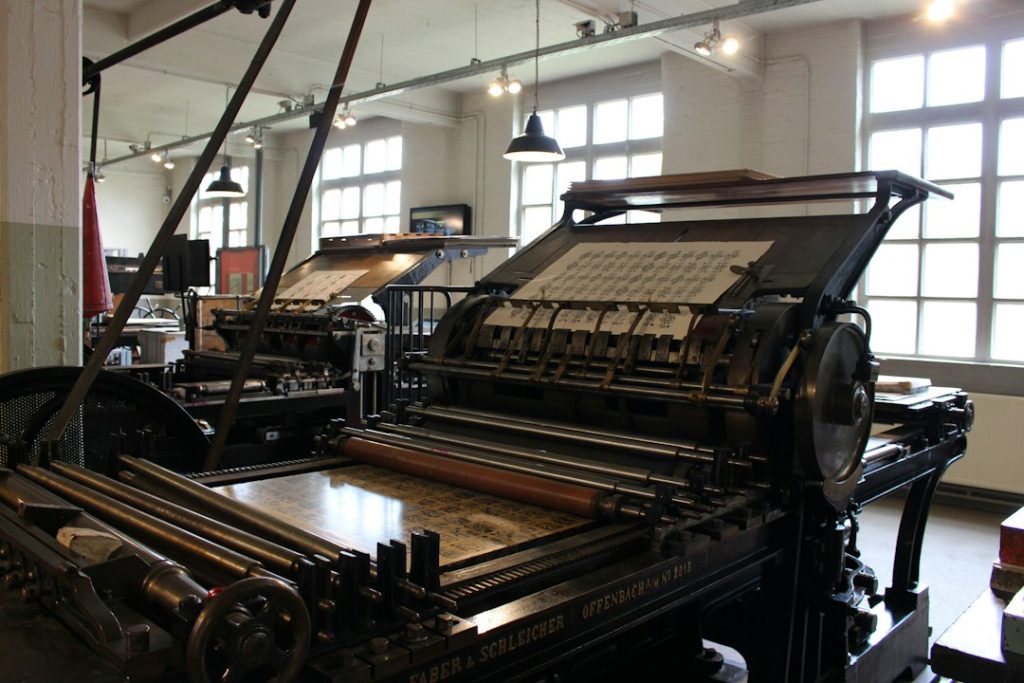
Nineteenth-century Spanish-language newspapers helped migrants, exiles, and intellectuals exchange ideas in New York. Their history shows how print culture built networks long before digital platforms.