
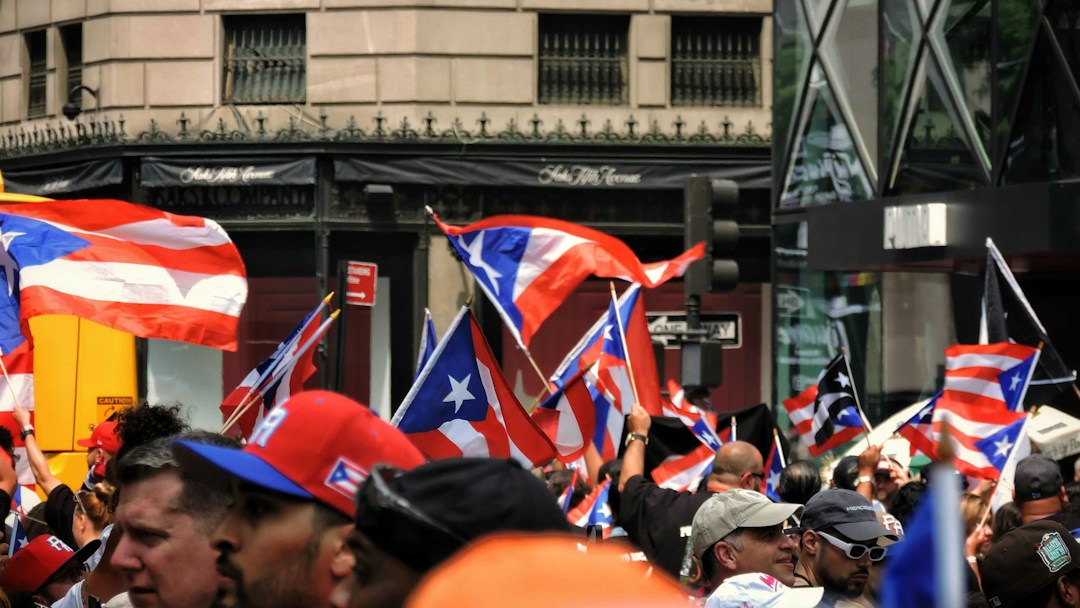
Community history is often preserved in places that do not look like traditional archives: family photographs, conversations across a kitchen table, neighborhood murals, church programs, local newspapers, and the memories of people who watched a community change. For Puerto Rican New Yorkers, these everyday records can help explain how identity and belonging have developed across generations.
Why neighborhood stories matter
Large historical timelines can describe migration, policy changes, and demographic shifts, but they do not always capture what those changes felt like in daily life. A resident may remember which storefront became a meeting place, how a block celebrated a cultural event, or where newcomers found practical help after arriving in the city. Those details add texture to the broader historical record.
Collecting local stories also makes history easier to share with younger generations. Children and teenagers can connect with the past through a relative’s photograph, a recorded interview, a recipe, or a story about a familiar street. These personal connections can turn history from a distant subject into something rooted in the places they know.
Everyday records can become community archives
A community archive does not need to begin with a large collection or a dedicated building. It can start with a small, carefully organized set of materials contributed by residents. Useful items may include dated photographs, event flyers, oral-history recordings, letters, neighborhood newsletters, and descriptions of local traditions.
Context is essential. Whenever possible, record who created an item, when and where it was made, what it depicts, and who supplied it. A photograph without a date or names may still be meaningful, but a short note from the person who took it can make it far more useful to future researchers.
Oral histories preserve more than dates
Oral-history interviews can capture experiences that rarely appear in official documents: the sound of a celebration, the role of a neighborhood business, the way Spanish and English were used at home, or the informal networks that helped families settle in a new place. Different people may remember the same event differently. Preserving those perspectives can show the complexity of community life rather than forcing one account to represent everyone.
Interviews should be conducted with care. Ask participants for informed permission, explain how recordings may be stored or shared, and respect requests to keep particular details private. Use open questions, allow people to skip topics, and avoid editing a statement in a way that changes its meaning. Clear labels and accurate transcripts help keep the material useful.
How residents can help preserve local history
- Identify and label photographs. Add names, approximate dates, locations, and the story behind the image when known.
- Talk with older relatives and neighbors. With permission, record a short conversation about a memorable place, tradition, or community change.
- Keep original materials safe. Store paper items away from moisture and direct sunlight, and make digital copies of fragile documents.
- Share materials responsibly. Ask before publishing personal photographs or recordings, especially when children or sensitive information are involved.
- Connect with local institutions. Libraries, historical societies, schools, and cultural organizations may offer guidance on preservation and cataloging.
Preserving heritage while communities change
Neighborhoods are never static. Businesses close or move, buildings are renovated, and families relocate while new residents bring their own experiences and traditions. Recording community memories does not mean treating a neighborhood as frozen in time. It means documenting how people have shaped it and how its identity continues to evolve.
For Puerto Rican communities in New York City, family collections, oral histories, cultural gatherings, and local institutions can each contribute a different piece of the story. When those pieces are preserved with context and care, they create a richer record for residents, educators, and future generations.
Frequently asked questions
What counts as a community archive?
A community archive is an organized collection of materials that documents the experiences and history of a particular community. It may include photographs, interviews, letters, flyers, recordings, and personal accounts.
Can I contribute family photographs?
Often, yes. First identify who owns the photographs and obtain permission before sharing or publishing them. Include any known names, dates, locations, and background information.
Where can I learn more about preserving local history?
Start by contacting a public library, local historical society, school archive, or cultural organization. Staff may be able to suggest safe storage methods, oral-history practices, or existing collections to explore.